

How to maintain healthy gums naturally
Simple daily habits, herbal care, brushing technique and diet tips for stronger, healthier gums.
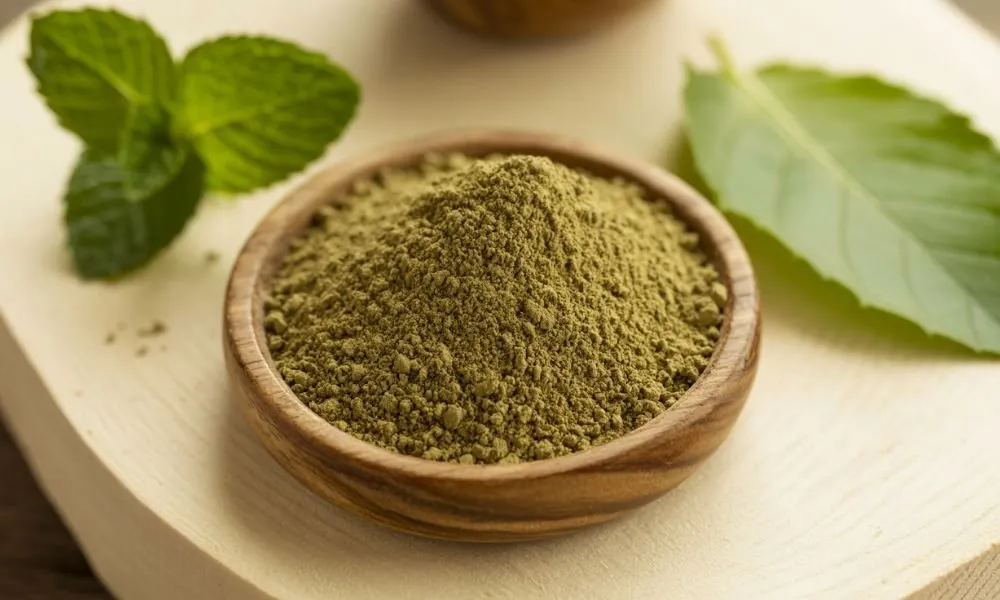
Healthy gums are the foundation of a healthy smile. While most people focus on keeping their teeth white and clean, gum health matters just as much. Strong gums support your teeth, help protect against infection and contribute to overall oral health. Yet gum problems such as bleeding, swelling and bad breath are very common.
The good news: healthy gums don’t require complicated treatments. Simple natural habits and a consistent routine go a long way.
Why gum health is important
Gums hold your teeth firmly in place and act as a barrier against harmful bacteria. When gum health is neglected, bacteria can build up and cause gum diseases such as gingivitis and periodontitis.
Common signs of unhealthy gums include:
- Bleeding while brushing or flossing
- Swollen or red gums
- Persistent bad breath
- Gum recession
- Loose teeth
Left untreated, gum disease can eventually lead to tooth loss, so gum care deserves a place in your daily routine. (See also: why gums bleed while brushing.)
1. Brush your teeth properly
Brushing is the most basic and most essential step, but many people brush in a way that harms their gums.
- Brush twice a day
- Use a soft-bristled toothbrush
- Brush gently in small circular motions
- Spend at least two minutes brushing
Aggressive brushing can damage the gums and cause them to recede. Always brush gently to protect both your teeth and gums.
2. Floss daily
Flossing removes food and plaque from between the teeth and along the gum line, where a brush can’t reach. It helps prevent plaque build-up and gum inflammation. Try to floss once a day, ideally before bed.
3. Use a natural herbal tooth powder
Herbal tooth powders are widely used for gum care. Common ingredients include neem, clove, babool, triphala and turmeric, herbs with a long tradition in Ayurvedic oral care.
Learn more about how natural tooth powders support oral health, or compare herbal tooth powder vs chemical toothpaste.
4. Massage your gums
Gum massage is a simple way to improve circulation. Use clean fingers, a soft toothbrush or a little coconut oil, and massage gently for one to two minutes a day.
5. Eat a gum-friendly diet
Your diet plays a big role in gum health:
- Vitamin C (oranges, lemons, strawberries, bell peppers) supports healthy gum tissue
- Calcium (milk, yogurt, cheese, almonds) supports strong teeth and jawbones
- Fibre (apples, carrots, cucumbers) stimulates saliva, which naturally cleans the mouth
Limit sugary foods and drinks, which feed the bacteria behind gum problems.
6. Stay hydrated
Water washes away food particles and bacteria, prevents a dry mouth and supports saliva production. Aim for 2–3 litres a day.
7. Try natural mouth rinses
- Salt water: mix half a teaspoon of salt in warm water and rinse for 30 seconds
- Turmeric water: a traditional Ayurvedic rinse
- Clove water: traditionally used for gum comfort
A rinse once or twice a day is a simple addition to your routine.
8. Avoid smoking and tobacco
Tobacco is a major cause of gum disease. It weakens the gums’ ability to fight infection and causes discolouration, bad breath and more serious conditions. Quitting makes a big difference.
9. Visit your dentist regularly
Even with great habits, see your dentist every six months. They can detect gum disease early, remove tartar and recommend treatment if needed.
A simple daily routine
- 01Wet your brushUse a soft-bristled toothbrush and wet it thoroughly.
- 02Dip in powderDip the bristles into the jar to pick up about half a gram.
- 03Brush gentlyBrush for 2–3 minutes, starting with the inner surfaces.
- 04Rinse wellRinse thoroughly with water for a fresh, clean finish.
Final thoughts
Healthy gums are essential for strong teeth and overall oral health. Gentle brushing, daily flossing, a balanced diet and herbal oral care products all help, and consistency is what makes them work.
Keep exploring: read is Ayurvedic tooth powder safe for daily use? or browse the Journal.
This article is for general information and isn’t a substitute for professional dental or medical advice. If you have persistent symptoms, please see a dentist.