
Is Ayurvedic tooth powder safe for daily use?
Ingredients, benefits, who it suits, and how to use Ayurvedic tooth powder safely every day.

More people are switching to natural oral care, from herbal shampoos to chemical-free skincare. Ayurvedic tooth powder is one of the fastest-growing choices. But the question many people ask is: is it safe to use every day?
Here’s a clear, practical look at what goes into it, who it suits, and how to use it well.
What is Ayurvedic tooth powder?
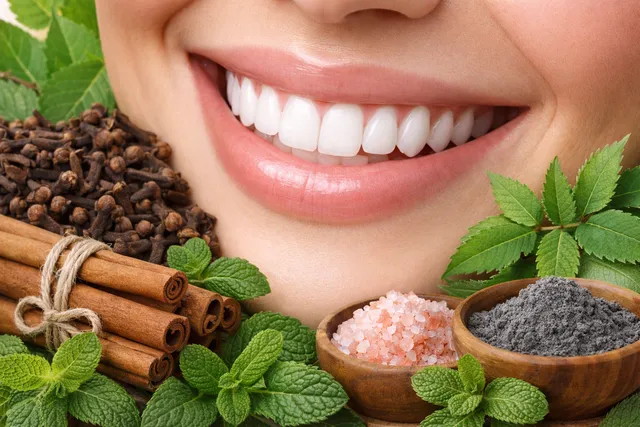
Ayurvedic tooth powder is a traditional herbal dental care product made from natural ingredients described in classical texts like the Charaka Samhita and Sushruta Samhita, which emphasise oral hygiene for strong teeth and healthy gums.
Unlike toothpastes that may contain synthetic chemicals, Ayurvedic tooth powders typically use:
- Clove (lavang)
- Mint (pudina)
- Neem
- Triphala
- Rock salt (sendha namak)
- Black pepper
- Licorice (mulethi)
These ingredients are traditionally valued for their cleansing and refreshing properties.
Is it safe for daily use?
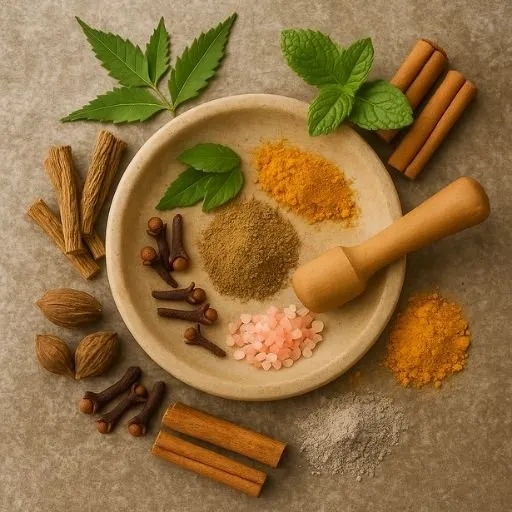
Yes, when it’s made with natural, balanced ingredients. Ayurvedic tooth powder is generally safe for everyday use when:
- it doesn’t contain harsh abrasives,
- it’s free from synthetic chemicals, and
- it’s used correctly, with gentle brushing.
Clove and mint bring freshness and a cooling feel, neem has long been used for gum care, and rock salt gives a gentle polish. But overuse or aggressive brushing with any powder, herbal or not, can wear enamel over time. Technique matters as much as the product.
Benefits of daily use
1. Supports healthy gums
Herbs like neem and mulethi have a long tradition in Ayurvedic gum care.
2. Helps keep the mouth clean
Many Ayurvedic herbs are traditionally valued for keeping the mouth clean and fresh.
3. Freshens breath naturally
Mint and clove provide lasting freshness without artificial flavours.
4. Free from harsh chemicals
Most herbal tooth powders avoid fluoride (in some formulations), artificial sweeteners and synthetic foaming agents. Read our side-by-side guide: herbal tooth powder vs chemical toothpaste.
Who can use it?
Ayurvedic tooth powder generally suits adults, teenagers, people with sensitive gums (if the powder is non-abrasive) and anyone who prefers herbal products.
for children under 6, always check with a dental professional before switching from regular toothpaste.
How to use it properly
- Take a small pinch, about half a gram.
- Apply it to a wet toothbrush, or massage gently with a clean finger.
- Brush softly in small circles for 2–3 minutes.
- Rinse thoroughly.
- Repeat twice daily.
Avoid scrubbing hard: natural doesn’t mean aggressive.
Are there any side effects?
Powders with coarse salt or strong spices in high concentration can irritate sensitive gums or wear enamel over time. That’s why choosing a finely sieved, well-balanced formula matters.
Tooth powder vs regular toothpaste
| Feature | Ayurvedic tooth powder | Regular toothpaste |
|---|---|---|
| Ingredients | Natural herbs and minerals | Synthetic and natural mix |
| Foam | Low, natural | High (foaming agents) |
| Flavour | Herbal | Artificial mint flavours |
| Additives | Usually none | May contain sweeteners, preservatives |
Both can work well when used correctly. The right choice depends on your preferences and oral health needs.
The verdict
Ayurvedic tooth powder is safe for daily use when it’s made from quality herbal ingredients, is non-abrasive, is used gently, and suits your oral health. Switching to herbal care can be a healthy step when done wisely.
If you’re interested in 100% natural herbal oral care, explore ToothVedha Herbal Tooth Powder, crafted with traditional herbs for healthy teeth and gums.
Keep reading
- How natural tooth powders support overall oral health
- Why do gums bleed while brushing? Causes and natural remedies
- How to maintain healthy gums naturally
Frequently asked questions
Can Ayurvedic tooth powder whiten teeth?
It can help lift surface stains naturally, but it isn’t a chemical bleaching agent.
Can I use it twice a day?
Yes. Gentle twice-daily use is generally safe.
Is it good for bad breath?
Herbs like mint and clove are traditionally used to keep breath fresh.
This article is for general information and isn’t a substitute for professional dental or medical advice. If you have persistent symptoms, please see a dentist.